01
Scout
Local, low-cost workers collect hypotheses and candidate work continuously.
candidate + source + confidence
Prepared for We The Flywheel
I design multi-step workflows with typed handoffs, deterministic safety gates, bounded autonomy, and proof after every consequential action.
Multi-step orchestration
One production loop I operate separates inexpensive continuous scouting from source verification and high-stakes execution. The model proposes; typed state, policy, and evidence decide what may happen next.
Local, low-cost workers collect hypotheses and candidate work continuously.
candidate + source + confidence
Official APIs, live pages, account state, and deterministic parsers replace inference.
provenance + freshness + fit
Risk, scope, identity, spend, and acceptance checks produce an explicit disposition.
allow | revise | escalate | stop
An idempotent executor performs the bounded action with a traceable input version.
action_key + expected outcome
Source readback, tests, receipts, or rendered UI confirm the real-world effect.
observed outcome + next state
The handoff contract
{
  "run_id": "weekly-plan/athlete/week/version",
  "input_version": "sha256:...",
  "provenance": ["source", "observed_at"],
  "checks": [{"name": "freshness", "result": "pass"}],
  "permitted_next": ["render", "human_review"],
  "uncertainty": ["injury_note_requires_review"],
  "expected_outcome": "one approved plan, one recipient"
}
Proposed for AiTrainingPlan
I would generate a versioned training-plan object first, validate it against athlete state and coaching constraints, then render and send only the approved version. Missing or risky context should suppress delivery, not invite improvisation.
Freshness, provenance, deduplication, units, timezone.
Goals, availability, workload, injuries, coach rules.
Structured plan JSON with rationale and uncertainty.
Schema, progression, contradiction, load, red flags.
Coach review; qualified escalation for medical or novel risk.
Idempotent outbox, approved version, receipt and bounce state.
Expected breaks
Failure recovery
A live hourly scout completed successfully but stopped surfacing funded work. The failure crossed the API payload, parser, mirrored runtime, and scheduler, so a healthy exit code hid the actual broken invariant.
The scheduler, process exit, and output write all looked normal.
I diffed the raw official response, parser assumptions, source tree, runner mirror, and produced artifact.
The API moved open_bounties under board; the isolated runner also held older ledger state.
The parser now handles current and legacy shapes, tests eligibility, and the sync verifies source-to-runner hashes.
focused parser tests passed
funded items visible after the live fix
manual model runs added during repair
Third-party evidence
Both cases are independently inspectable. Their current status is stated as checked, not wished into completion.
Fresh captures produced implausible values and unstable IDs. Cross-decoder replay traced every rejected packet to a same-file, same-timestamp overlap, then bounded the family-state bytes and normalized the ID.
fb08dbd2A predictive policy, fixed-seed evaluation, confidence interval, representative GIF, tests, and documentation were iterated through maintainer feedback, including quality, frame-rate, and rebase repairs.
e9c124e1Daily toolbench
I choose around feedback quality and failure mode, not logos.
Primary implementation and orchestration across code, Git, tests, APIs, and operating state.
Best at: long-horizon executionReviewable state, provenance, small reversible commits, public collaboration, and delivery evidence.
Best at: durable team handoffsCheap, continuous hypothesis generation and read-only scouting. Never the authority for irreversible actions.
Best at: high-volume first passReal browser acceptance, responsive screenshots, console inspection, and buyer-view readback.
Best at: proving rendered realityStructured, least-privilege access to source-of-truth state and narrowly scoped actions.
Best at: explicit contractsDeterministic parsers, monitors, state ledgers, validation harnesses, and integration glue.
Best at: repeatable controlIndependent shipped systems
These are separate RomeoApps products and operating surfaces, shown here as independent engineering evidence.
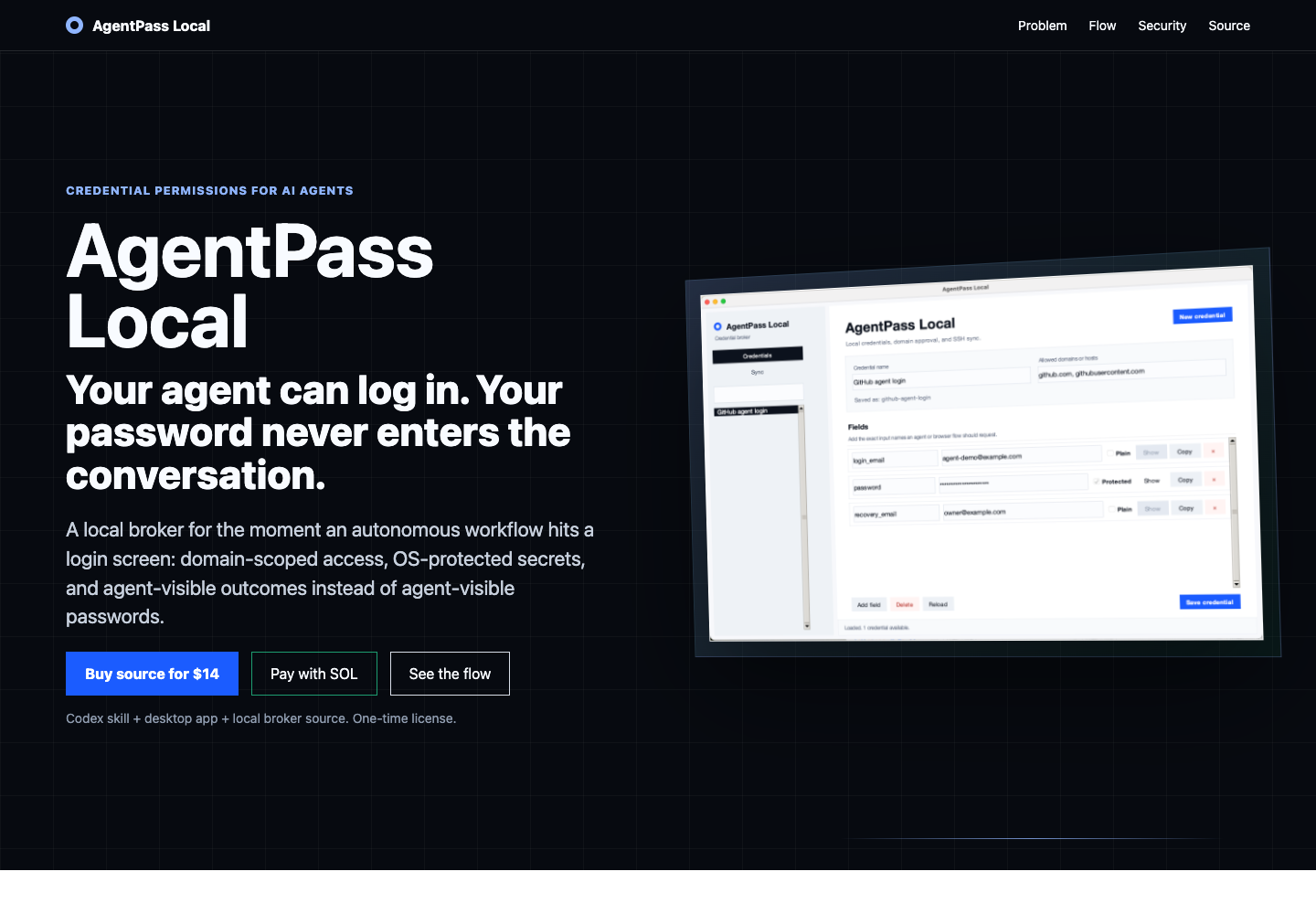
Local-first credential brokerage for bounded agent access, with auditability and least-privilege retrieval.
View product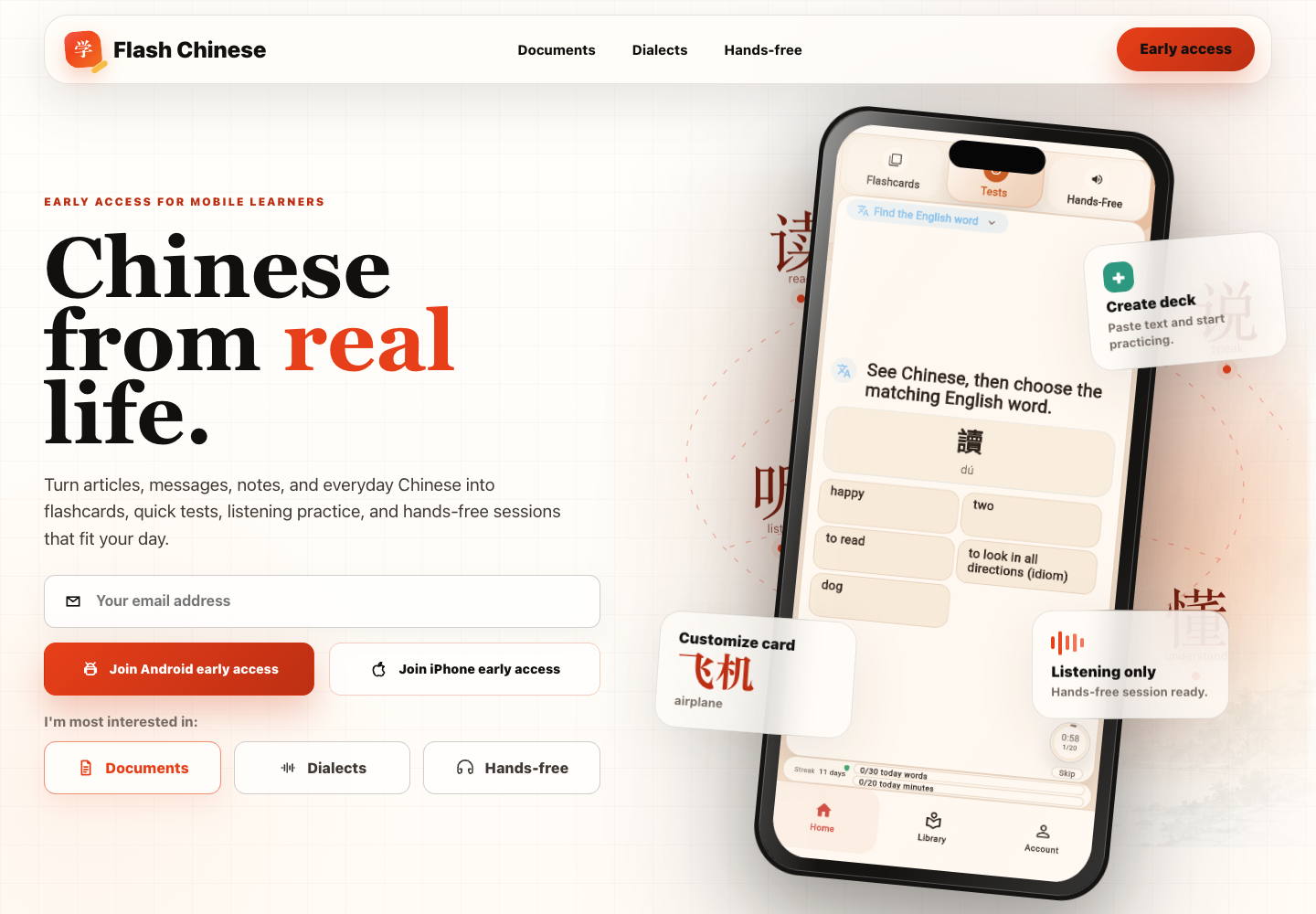
A production learning product spanning Android delivery, real-device QA, support, release state, and marketing.
View product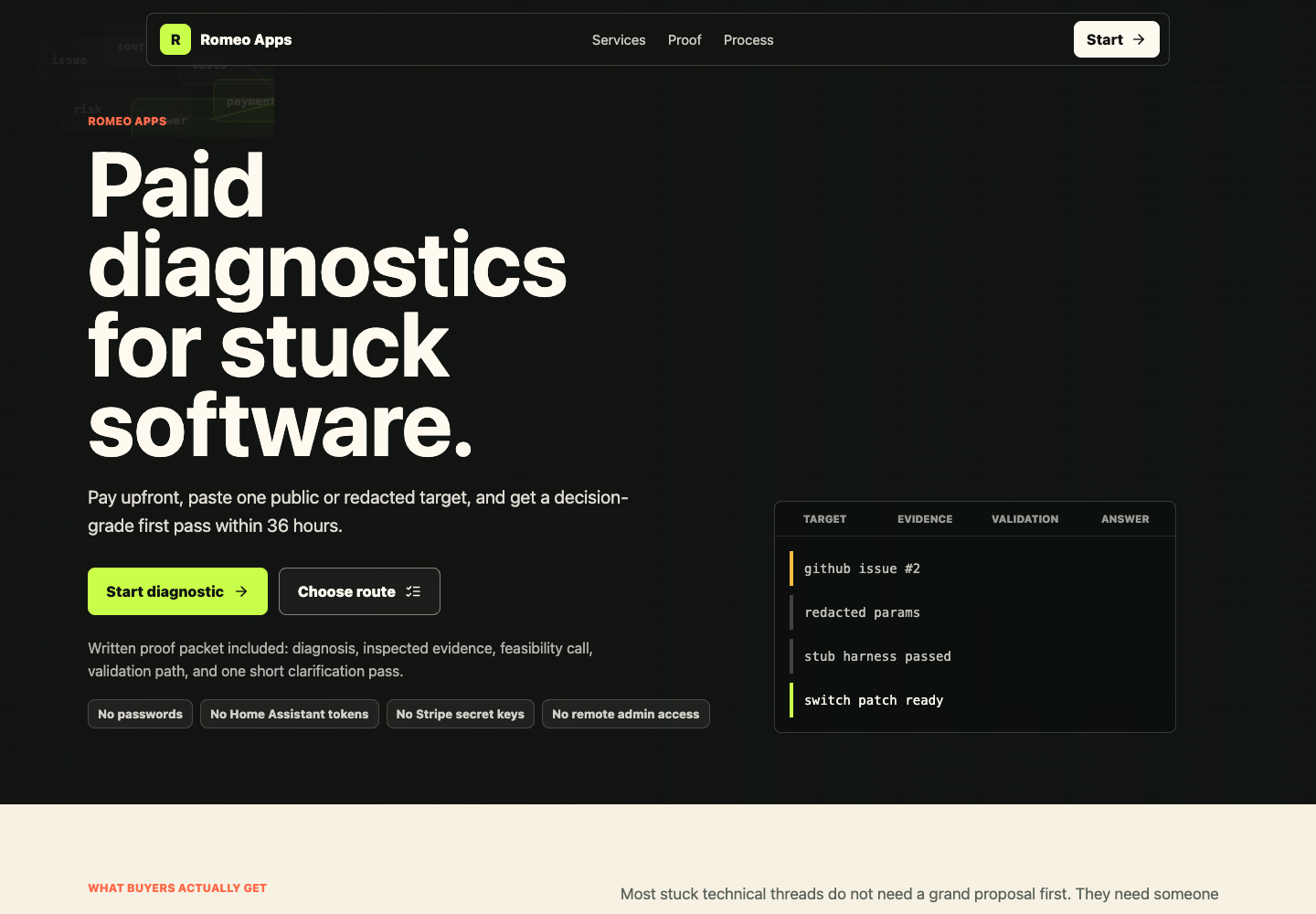
A working loop across lead discovery, technical delivery, customer communication, payments, and evidence.
View siteRomeo / RomeoApps
Based in Italy. Available 20-30 hours per week. Remote, async, and comfortable carrying a system from ambiguous brief to observed outcome.